Beef Tenderloin with Fig Glaze
Highlighted under: World Ideas
I absolutely love making Beef Tenderloin with Fig Glaze, as it marries savory and sweet flavors beautifully. The first time I made it, I was surprised by how the richness of the beef pairs perfectly with the sticky, caramelized fig glaze. It's a dish that feels elegant yet is surprisingly simple to prepare. I often serve it for special occasions, and every time, my guests rave about how tender and flavorful it is. This recipe is sure to impress anyone at your dinner table.
Preparing Beef Tenderloin with Fig Glaze has become one of my favorite culinary experiences. The first time I tried it, I wasn’t sure how the fig would transform the dish, but the results were astounding. The glaze adds layers of flavor that elevate the beef, and mastering this recipe has been a rewarding journey.
I discovered that using fresh figs yields a richer taste compared to dried ones, which enhances the overall harmony of this dish. I also recommend allowing the beef to rest before slicing; this step keeps it juicy and tender.
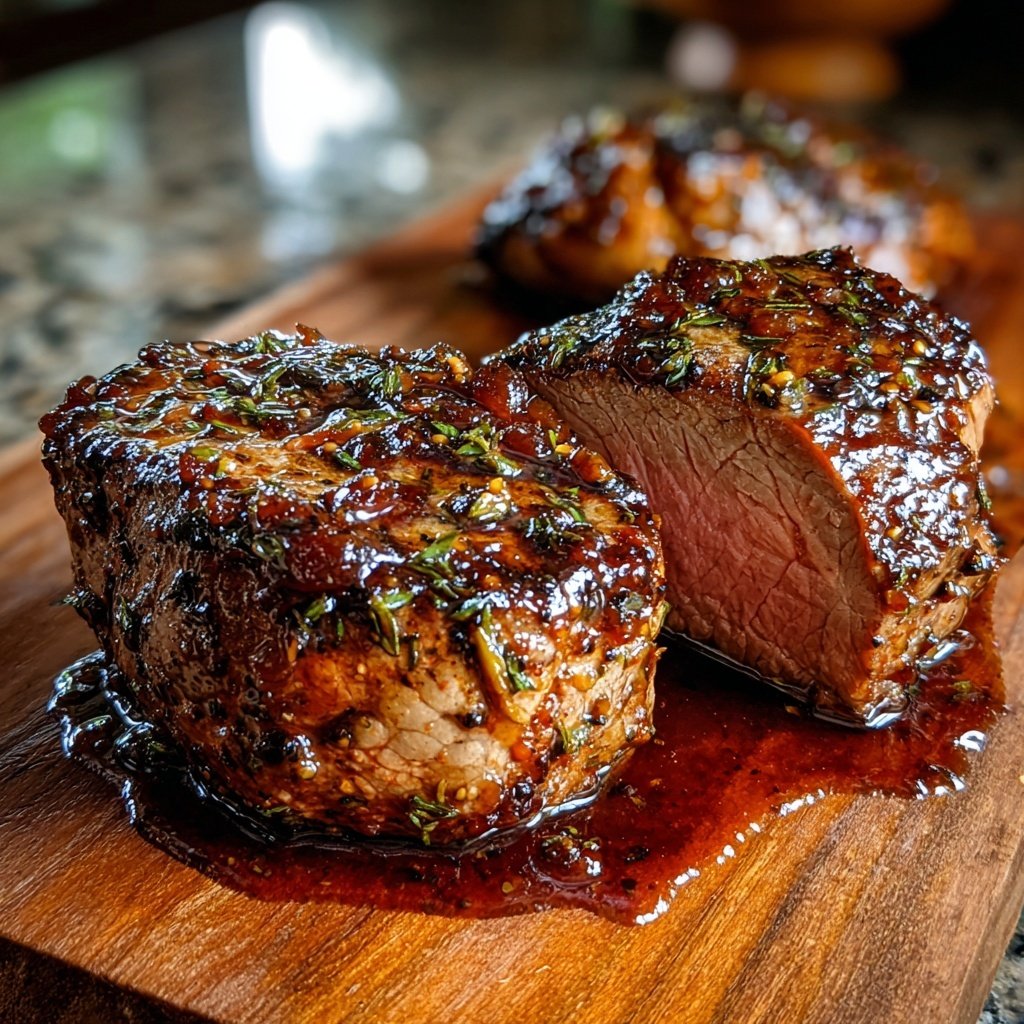
Why You'll Love This Recipe
- The sweet fig glaze beautifully complements the savory beef.
- A tender cut of meat that melts in your mouth.
- Impress your guests with elegant plating and irresistible flavor.
Understanding the Key Ingredients
The star of this dish is undoubtedly the beef tenderloin, which is prized for its rich flavor and incredible tenderness. When selecting beef, look for a cut with a bright red color, minimal fat, and a smooth texture. A fresh, high-quality tenderloin will not only enhance the flavor but will also ensure a buttery mouthfeel. You can ask your butcher to trim it for you, ensuring that all silver skin is removed to prevent any toughness.
The fig glaze plays a pivotal role in balancing the savory and sweet aspects of this dish. Fresh figs are essential for their natural sweetness and slight earthiness. If you cannot find fresh figs, consider using dried figs. Just remember to rehydrate them in warm water for about 30 minutes before cooking to mimic the texture of fresh ones. The balsamic vinegar adds acidity, which cuts through the richness of the beef, while honey brings additional sweetness that caramelizes beautifully.
Perfecting the Cooking Technique
Searing the beef tenderloin is crucial for developing that rich, deep flavor and a beautiful crust. When searing, ensure your skillet is preheated to medium-high heat and the oil is shimmering but not smoking; this usually takes just a couple of minutes. Be attentive during this step—if your tenderloin releases from the pan effortlessly, it’s ready to turn. Avoid overcrowding the pan, as this will lower the temperature and result in uneven cooking.
Baking times may vary based on the thickness of your tenderloin. Generally, for a cut around 2 inches thick, 20 minutes will get you to medium-rare, but using a meat thermometer is the best way to ensure doneness. Aim for 130°F (54°C) for medium-rare. Letting the meat rest after baking is essential as it allows juices to redistribute, which helps keep the beef moist when sliced.
Ingredients
Gather these ingredients to create a mouthwatering Beef Tenderloin with Fig Glaze:
Ingredients
- 2 lbs beef tenderloin
- 1 cup fresh figs, chopped
- 1/2 cup balsamic vinegar
- 1/4 cup honey
- 2 tablespoons olive oil
- Salt and black pepper to taste
- Fresh rosemary for garnish
Now that you have your ingredients, let’s move on to the cooking steps!
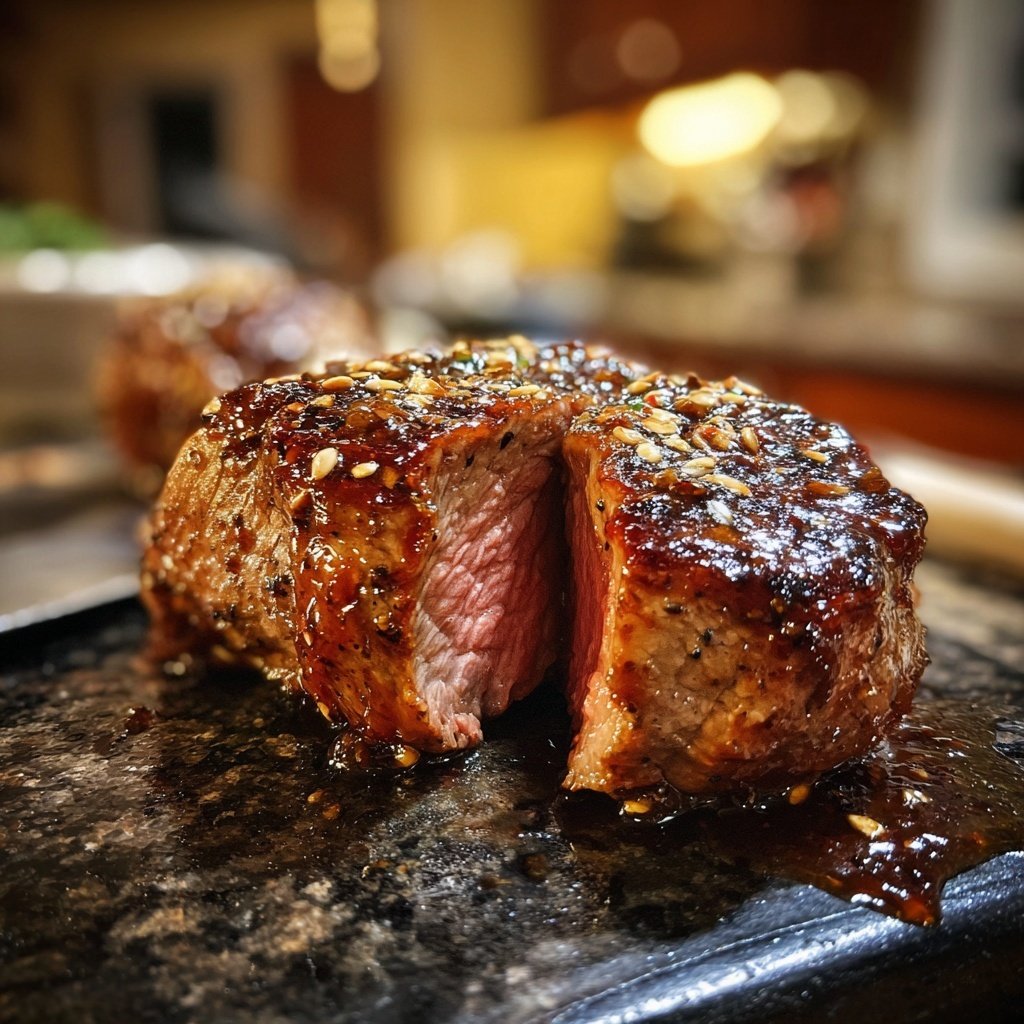
Instructions
Follow these steps to create your Beef Tenderloin with Fig Glaze:
Preheat and Prepare
Preheat your oven to 400°F (200°C). While it heats, season the beef tenderloin generously with salt and black pepper.
Sear the Beef
In a large oven-safe skillet over medium-high heat, add olive oil and sear the tenderloin for about 4-5 minutes on each side until browned.
Make the Fig Glaze
In a saucepan, combine fresh figs, balsamic vinegar, and honey. Cook over medium heat until figs soften and the mixture thickens, about 10 minutes.
Bake the Tenderloin
Pour the fig glaze over the seared tenderloin, then transfer the skillet to the oven. Bake for 20 minutes for medium-rare.
Rest and Serve
Remove the tenderloin from the oven and let it rest for at least 10 minutes. Slice and serve with the remaining fig glaze.
Now you’re ready to enjoy a delicious Beef Tenderloin with Fig Glaze!
Pro Tips
- For an extra touch, serve the dish with a side of roasted vegetables or creamy mashed potatoes to balance the sweetness of the glaze.
Serving Suggestions
To elevate your presentation, consider serving the beef tenderloin on a bed of creamy mashed potatoes or buttery roasted vegetables. Their subtle flavors not only complement the dish but also help absorb the delicious fig glaze that drips from the slices. You can garnish with fresh rosemary for a pop of color and aroma, enhancing both the aesthetics and flavor profile.
Pair your beef tenderloin with a full-bodied red wine, like a Cabernet Sauvignon or a Malbec, to enhance the savory notes in the meat while balancing the sweetness of the fig glaze. Serving a simple seasonal salad on the side can provide a crisp, refreshing counterpoint.
Storage and Make-Ahead Tips
If you're planning to prepare this dish ahead of time, consider cooking the beef tenderloin and glaze separately. Cook your tenderloin according to the recipe, let it cool completely, and then refrigerate. The glaze can also be made a day in advance; just reheat it gently before serving. Store leftovers in an airtight container for up to 3 days in the refrigerator. When reheating, warm gently in a skillet over low heat to prevent drying out.
For longer storage, consider slicing the beef and wrapping it tightly in plastic wrap before placing it in the freezer. The tenderloin can be frozen for up to three months. When you're ready to enjoy it again, thaw overnight in the refrigerator before reheating gently. Just like fresh, the fig glaze can also be frozen in portions for easy use later!
Questions About Recipes
→ Can I use dried figs instead of fresh?
Yes, but fresh figs provide a richer flavor and a better texture in the glaze.
→ What is the best way to tell if the beef is cooked to my preference?
Use a meat thermometer; 130°F (54°C) is medium-rare, while 145°F (63°C) is medium.
→ Can I prepare the fig glaze in advance?
Absolutely! You can make it a day ahead and store it in the fridge until you're ready to use it.
→ What side dishes pair well with this recipe?
Roasted vegetables, creamy polenta, or a fresh salad make excellent companions.
Beef Tenderloin with Fig Glaze
Created by: Marigold Pearson
Recipe Type: World Ideas
Skill Level: Intermediate
Final Quantity: Serves 4
What You'll Need
Ingredients
- 2 lbs beef tenderloin
- 1 cup fresh figs, chopped
- 1/2 cup balsamic vinegar
- 1/4 cup honey
- 2 tablespoons olive oil
- Salt and black pepper to taste
- Fresh rosemary for garnish
How-To Steps
Preheat your oven to 400°F (200°C). While it heats, season the beef tenderloin generously with salt and black pepper.
In a large oven-safe skillet over medium-high heat, add olive oil and sear the tenderloin for about 4-5 minutes on each side until browned.
In a saucepan, combine fresh figs, balsamic vinegar, and honey. Cook over medium heat until figs soften and the mixture thickens, about 10 minutes.
Pour the fig glaze over the seared tenderloin, then transfer the skillet to the oven. Bake for 20 minutes for medium-rare.
Remove the tenderloin from the oven and let it rest for at least 10 minutes. Slice and serve with the remaining fig glaze.
Extra Tips
- For an extra touch, serve the dish with a side of roasted vegetables or creamy mashed potatoes to balance the sweetness of the glaze.
Nutritional Breakdown (Per Serving)
- Calories: 450 kcal
- Total Fat: 24g
- Saturated Fat: 9g
- Cholesterol: 110mg
- Sodium: 90mg
- Total Carbohydrates: 33g
- Dietary Fiber: 2g
- Sugars: 18g
- Protein: 34g