Korean Bibimbap
Highlighted under: World Ideas
Experience the vibrant flavors and colors of Korea with this delightful Bibimbap recipe.
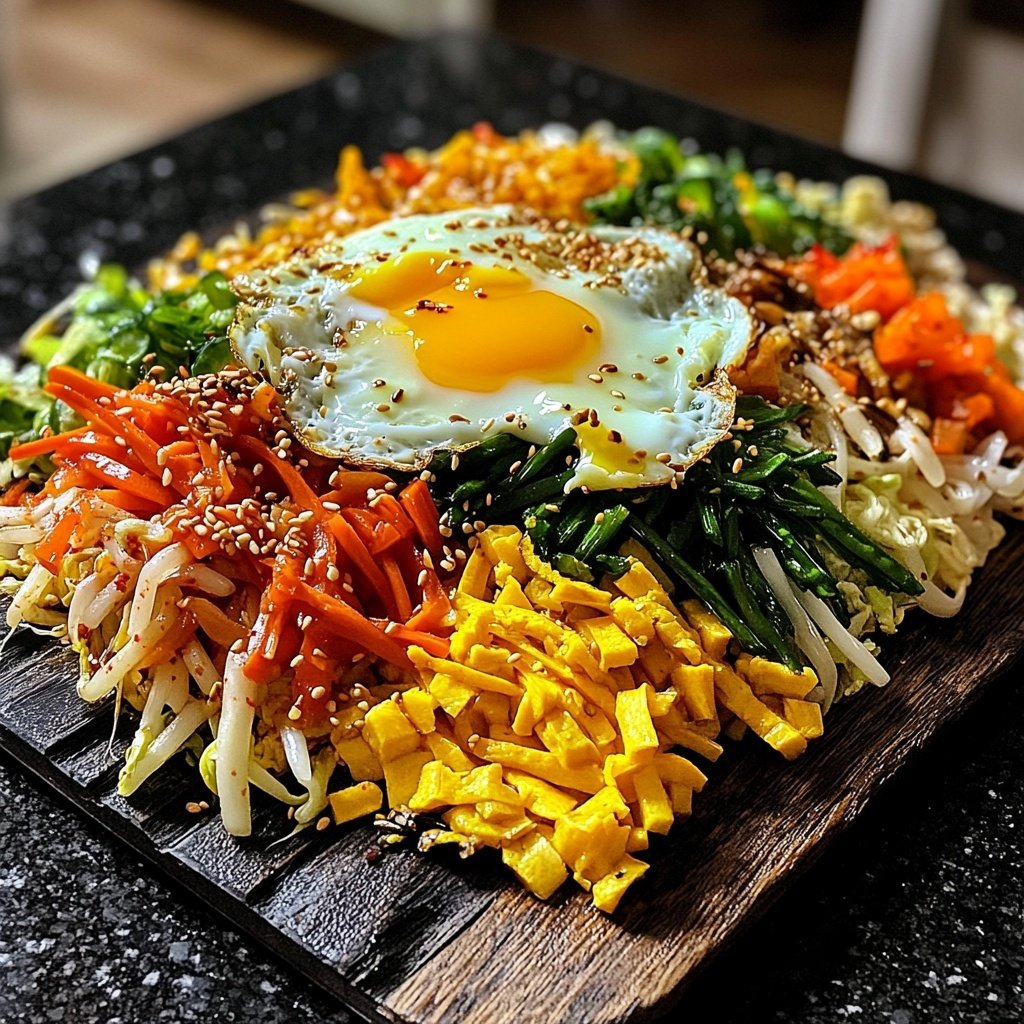
Korean Bibimbap is a beloved dish that combines a variety of vegetables, proteins, and rice, topped with a fried egg and spicy gochujang sauce. Enjoy it as a wholesome meal filled with flavors and textures!
Why You Will Love This Recipe
- A colorful blend of fresh vegetables and savory meats
- Customizable to suit your taste preferences and dietary needs
- A perfect balance of flavors with a spicy kick from gochujang
The Essence of Bibimbap
Bibimbap, a traditional Korean dish, is a delightful medley of flavors and textures that encapsulates the essence of Korean cuisine. The word 'bibimbap' translates to 'mixed rice,' perfectly describing the dish's primary component. It's not just about the rice; it's an artful assembly of fresh vegetables, savory proteins, and a kick of spice, making it a wholesome meal that excites the palate.
The vibrant colors of the ingredients not only make the dish visually appealing but also signify its nutritional value. Each vegetable adds its unique flavor and texture, while the combination of ingredients ensures a balanced meal. This is what sets Bibimbap apart; it’s a celebration of nature's bounty on a plate.
Customizing Your Bibimbap
One of the most exciting aspects of Bibimbap is its versatility. You can easily customize the dish based on your preferences or dietary restrictions. If you're vegetarian or vegan, simply omit the beef and replace it with tofu or additional vegetables. For those who enjoy a different protein, chicken, pork, or even seafood can be delicious substitutes.
Don’t hesitate to experiment with seasonal vegetables or your favorite ingredients. Adding ingredients like radishes, bell peppers, or even avocado can enhance both the flavor and nutritional profile of your Bibimbap. With endless combinations, you can create a unique bowl that reflects your personal taste.
Serving and Pairing Suggestions
When it comes to serving Bibimbap, presentation matters. Arrange the ingredients artfully in the bowl to showcase the beautiful colors. For a more authentic experience, serve the dish in a hot stone bowl, known as 'dolsot,' which will keep the rice warm and create a delightful crispy layer at the bottom.
Pair your Bibimbap with traditional Korean side dishes like kimchi or pickled vegetables to enhance your meal. A refreshing glass of iced barley tea or a light Korean beer can also complement the dish beautifully, making for a complete dining experience that captures the spirit of Korea.
Ingredients
Gather the following ingredients to make your Bibimbap:
Vegetables
- 1 cup spinach, blanched
- 1 cup bean sprouts, blanched
- 1 medium carrot, julienned
- 1 zucchini, julienned
- 1 cup shiitake mushrooms, sliced
Proteins
- 1 cup cooked beef, sliced thinly
- 4 eggs
Others
- 4 cups cooked rice
- 2 tablespoons sesame oil
- 2 tablespoons gochujang (Korean chili paste)
- Sesame seeds for garnish
- Green onions for garnish
Ensure to have all ingredients ready for a seamless cooking experience.
Instructions
Follow these steps to create your delicious Bibimbap:
Prepare the Vegetables
Heat sesame oil in a pan over medium heat. Sauté each vegetable individually until tender, seasoning with salt. Set aside.
Cook the Beef
In the same pan, cook the sliced beef until browned. Season with a little salt and pepper, then set aside.
Fry the Eggs
In another pan, fry the eggs sunny-side up, keeping the yolk runny.
Assemble the Bibimbap
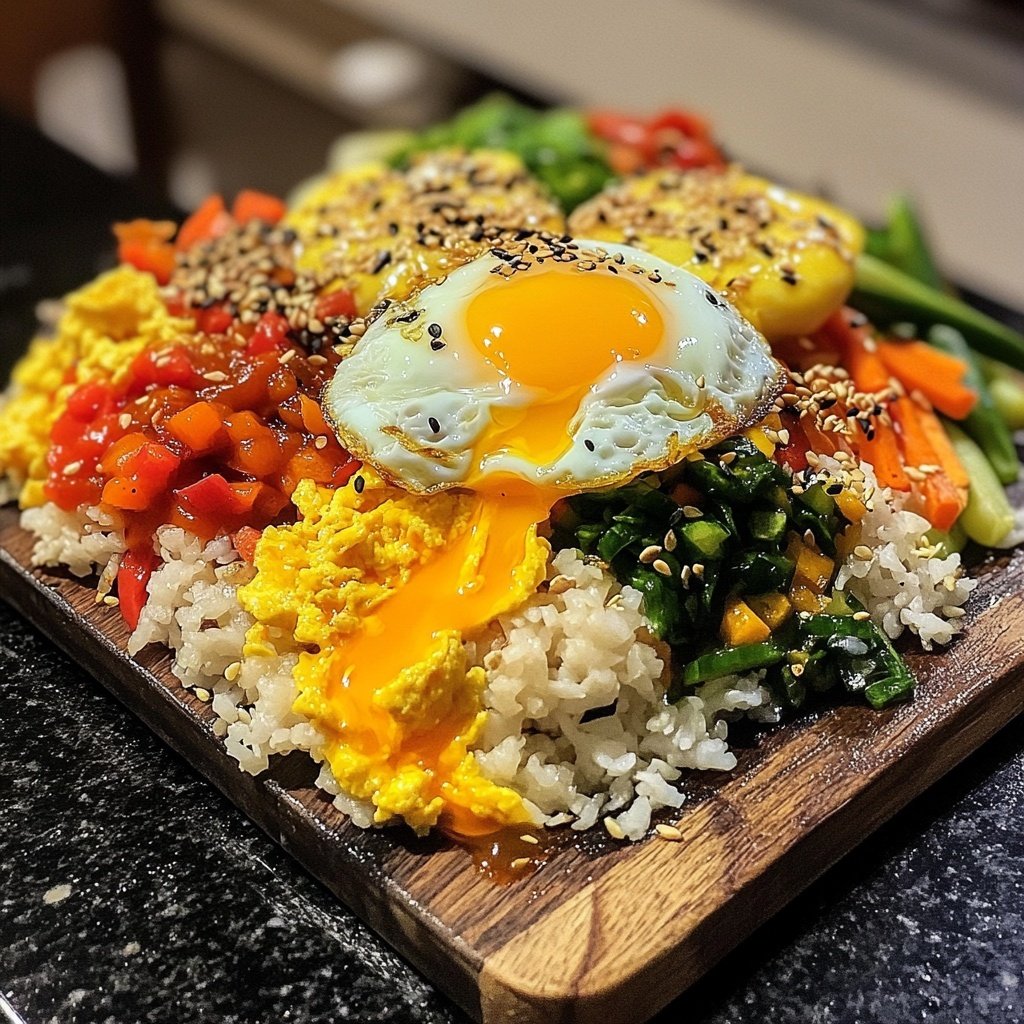
In a bowl, place a serving of rice at the bottom. Arrange the cooked vegetables and beef on top of the rice. Place the fried egg in the center.
Serve
Drizzle with gochujang and sprinkle sesame seeds and chopped green onions. Mix everything together before eating.
Enjoy your homemade Korean Bibimbap!
Pro Tips
- Feel free to add other vegetables or proteins as per your preference. For a vegetarian version, substitute beef with tofu or additional veggies.
Storage Tips
If you have leftovers, Bibimbap can be stored in an airtight container in the refrigerator for up to three days. However, to maintain the freshness of the vegetables, it's best to store them separately from the rice and protein. When you're ready to enjoy the leftovers, simply reheat the rice and vegetables in the microwave or on the stovetop.
For those who want to enjoy Bibimbap later, consider prepping the components ahead of time. Cook the rice, prepare the vegetables, and marinate the protein in advance. This way, you can quickly assemble your meal whenever hunger strikes without sacrificing flavor or quality.
Nutritional Benefits
Bibimbap is not only delicious but also packed with nutrients. The variety of vegetables provides a rich source of vitamins and minerals, contributing to a well-rounded diet. Spinach is high in iron, while carrots offer a good dose of beta-carotene. The inclusion of protein from beef and eggs ensures you’re getting essential amino acids needed for muscle repair and overall health.
Furthermore, the use of gochujang adds a unique depth of flavor while also offering potential health benefits. Made from fermented soybeans, this spicy paste can aid digestion and may even have antioxidant properties. Overall, Bibimbap is a nourishing dish that supports both physical health and culinary enjoyment.
Questions About Recipes
→ Can I make Bibimbap vegetarian?
Absolutely! You can easily replace the beef with tofu or additional vegetables.
→ What if I can't find gochujang?
If gochujang is unavailable, you can use a mix of miso paste and chili powder as a substitute.
→ Can I prepare the ingredients in advance?
Yes, you can prepare the vegetables and beef a day ahead and store them in the refrigerator.
→ How do I store leftovers?
Store leftovers in an airtight container in the fridge for up to 2 days. Reheat before serving.
Korean Bibimbap
Created by: Marigold Pearson
Recipe Type: World Ideas
Skill Level: Intermediate
Final Quantity: 4 servings
What You'll Need
Vegetables
- 1 cup spinach, blanched
- 1 cup bean sprouts, blanched
- 1 medium carrot, julienned
- 1 zucchini, julienned
- 1 cup shiitake mushrooms, sliced
Proteins
- 1 cup cooked beef, sliced thinly
- 4 eggs
Others
- 4 cups cooked rice
- 2 tablespoons sesame oil
- 2 tablespoons gochujang (Korean chili paste)
- Sesame seeds for garnish
- Green onions for garnish
How-To Steps
Heat sesame oil in a pan over medium heat. Sauté each vegetable individually until tender, seasoning with salt. Set aside.
In the same pan, cook the sliced beef until browned. Season with a little salt and pepper, then set aside.
In another pan, fry the eggs sunny-side up, keeping the yolk runny.
In a bowl, place a serving of rice at the bottom. Arrange the cooked vegetables and beef on top of the rice. Place the fried egg in the center.
Drizzle with gochujang and sprinkle sesame seeds and chopped green onions. Mix everything together before eating.
Extra Tips
- Feel free to add other vegetables or proteins as per your preference. For a vegetarian version, substitute beef with tofu or additional veggies.
Nutritional Breakdown (Per Serving)
- Calories: 600 kcal
- Total Fat: 25g
- Saturated Fat: 6g
- Cholesterol: 220mg
- Sodium: 600mg
- Total Carbohydrates: 75g
- Dietary Fiber: 5g
- Sugars: 5g
- Protein: 20g