Vanilla Buttermilk Sheet Cake
Highlighted under: Sweet Ideas
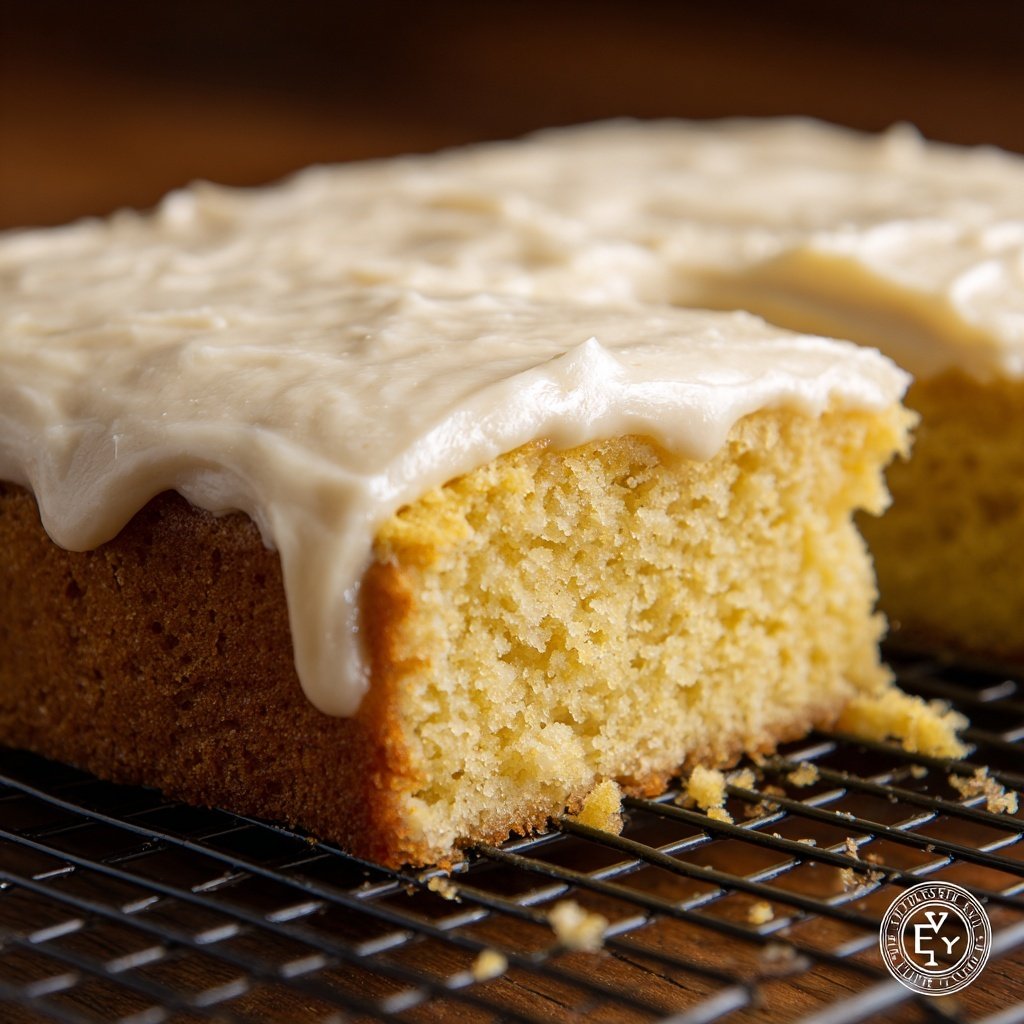
I absolutely love making this Vanilla Buttermilk Sheet Cake for gatherings. The combination of buttermilk and real vanilla creates a moist, tender cake that’s simply irresistible. It comes together easily in one bowl, which means less cleanup and more time to enjoy with friends and family. I've even swapped in different flavorings over the years, but this classic vanilla version always wins hearts at every occasion. Trust me, once you bake this, you'll find yourself coming back to the recipe again and again!
When I was perfecting this Vanilla Buttermilk Sheet Cake, I experimented with several variations until I found the right balance between flavor and texture. The buttermilk not only keeps the cake moist but also adds a subtle tanginess that complements the sweetness beautifully. I’ve taken this cake to numerous potlucks and it always disappears quickly, leading me to believe I’ve got the recipe just right.
One crucial tip I picked up along the way is to allow the cake to cool fully in the pan before trying to remove it. This simple step prevents it from crumbling and ensures that it maintains its beautiful shape. With that in mind, every slice of this cake remains perfectly intact and ready for frosting or simply enjoying as is!
Why You'll Love This Recipe
- Moist and tender texture that's simply irresistible
- Delicate vanilla flavor enhanced by buttermilk
- Perfect for any occasion, from birthdays to casual gatherings
Mastering the Cake Texture
To achieve the optimal moist and tender texture in your Vanilla Buttermilk Sheet Cake, the combination of buttermilk and butter plays a crucial role. Buttermilk not only adds a subtle tang but also contributes to the cake's soft crumb. When mixing the butter and sugar, beat until light and fluffy; this process incorporates air into the batter, resulting in a lighter cake. Remember not to overmix once you add the flour, as this can develop the gluten too much, leading to a denser texture.
For a cake that rises beautifully, it’s essential to ensure your baking powder and baking soda are fresh. Old leavening agents can result in a flat cake. Additionally, when combining the dry ingredients with the wet, aim for a smooth batter with minimal lumps. This will ensure an even bake. If you're unsure about your leavening agents, a quick test involves adding a teaspoon of baking powder to vinegar; it should fizz immediately to indicate it's still active.
Frosting Tips for a Perfect Finish
Preparing the frosting is another opportunity to add nuance to your sheet cake. Ensure your butter is at room temperature—soft enough to beat but not melted. This allows for a creamy consistency when combining with powdered sugar. Gradually add the powdered sugar to avoid clouds of sugar dust, and continue incorporating the heavy cream until you reach your desired thickness. If the frosting is too thick, feel free to add an additional tablespoon of cream gradually.
When frosting the cake, a simple offset spatula can help create a smooth and even layer. Start from the center and push the frosting outward towards the edges, allowing a thin layer to cling to the sides. If you like, you can add decorative touches with a piping bag for a more elegant look. If you find the frosting is getting too soft, refrigerate it for about 10 minutes to firm it up before you continue.
Ingredients
Gather all your ingredients to make the process smoother!
For the Cake
- 2 cups all-purpose flour
- 1 1/2 cups granulated sugar
- 1/2 cup unsalted butter, softened
- 1 cup buttermilk, at room temperature
- 3 large eggs
- 2 teaspoons vanilla extract
- 1 1/2 teaspoons baking powder
- 1 teaspoon baking soda
- 1/2 teaspoon salt
For the Frosting
- 1/2 cup unsalted butter, softened
- 2 cups powdered sugar
- 2 teaspoons vanilla extract
- 2 tablespoons heavy cream (or more for desired consistency)
Ensure to measure the ingredients accurately for the best results!
Instructions
Follow these steps for a perfect cake!
Preheat the Oven
Preheat your oven to 350°F (175°C) and grease a 9x13 inch baking pan.
Mix Dry Ingredients
In a large bowl, whisk together the flour, baking powder, baking soda, and salt.
Cream Butter and Sugar
In another bowl, beat the softened butter and sugar until light and fluffy. This should take about 3-4 minutes.
Add Eggs and Vanilla
Add the eggs one at a time, mixing well after each addition. Stir in the vanilla extract.
Combine with Dry Ingredients
Alternate adding the dry ingredients and buttermilk to the butter mixture, starting and ending with the dry ingredients.
Bake the Cake
Pour the batter into the prepared pan and bake for 30 minutes, or until a toothpick inserted into the center comes out clean.
Cool and Frost
Let the cake cool in the pan for 15 minutes, then remove it and cool completely before frosting.
Prepare the Frosting
For the frosting, beat together the softened butter, powdered sugar, vanilla, and heavy cream until creamy and smooth.
Frost the Cake
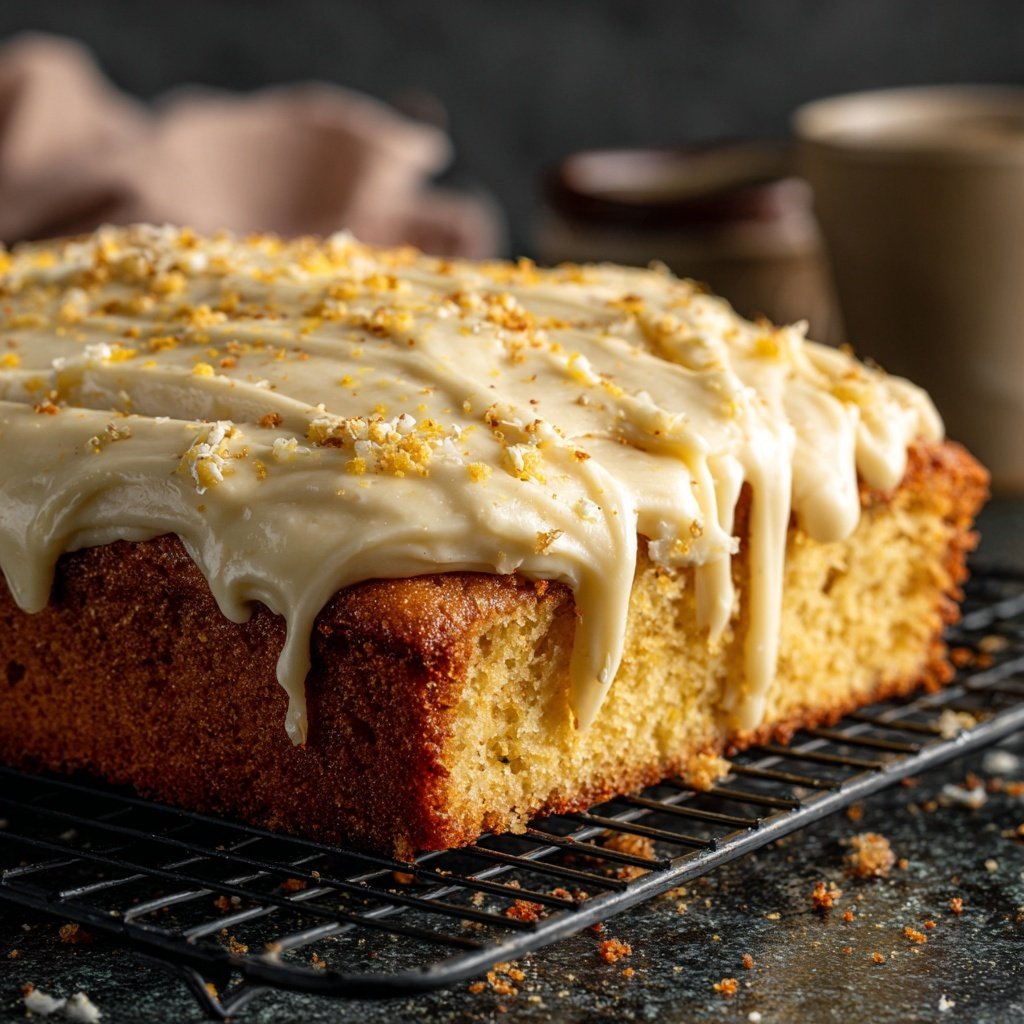
Spread the frosting evenly over the cooled cake and enjoy!
Serve and share the joy of this delightful cake!
Pro Tips
- For an added twist, try incorporating citrus zest or a dash of almond extract into the batter for a unique flavor variation.
Ingredient Substitutions
If you’re looking to make this Vanilla Buttermilk Sheet Cake dairy-free, you can substitute the buttermilk with a non-dairy alternative. Mixing almond milk with a bit of lemon juice or vinegar can create a similar tangy flavor profile. For the butter, consider using plant-based margarine or a vegan butter substitute, which can maintain the cake's moisture while keeping it dairy-free.
For those who want to achieve a different flavor profile, replacing part of the vanilla extract with almond extract can add a unique twist. You can also try infusing the batter with citrus zest, such as lemon or orange, for a refreshing touch. Just be sure to keep the overall liquid content balanced.
Serving Suggestions
This Vanilla Buttermilk Sheet Cake is versatile enough to be served plain or dressed up for special occasions. Consider garnishing with fresh berries, whipped cream, or a light dusting of powdered sugar for added flair. If you’re serving it at a gathering, slice the cake into squares and serve on individual plates to elevate your presentation.
For an even richer experience, serving it with a scoop of vanilla ice cream or alongside a fruit compote can take this cake to the next level. The warm, moist cake against the cold ice cream provides a delightful contrast in temperatures and textures that your guests will surely appreciate.
Questions About Recipes
→ Can I substitute the buttermilk?
Yes, you can use regular milk with a tablespoon of vinegar or lemon juice added to mimic buttermilk.
→ How can I make this cake gluten-free?
You can use a 1:1 gluten-free baking blend in place of all-purpose flour.
→ Is it possible to freeze this cake?
Absolutely! You can freeze the unfrosted cake for up to 3 months. Just wrap it tightly in plastic wrap.
→ What can I use instead of eggs?
You can replace each egg with 1/4 cup unsweetened applesauce or a flax egg (1 tablespoon ground flaxseed mixed with 2.5 tablespoons water).
Vanilla Buttermilk Sheet Cake
Created by: Marigold Pearson
Recipe Type: Sweet Ideas
Skill Level: Intermediate
Final Quantity: 16 servings
What You'll Need
For the Cake
- 2 cups all-purpose flour
- 1 1/2 cups granulated sugar
- 1/2 cup unsalted butter, softened
- 1 cup buttermilk, at room temperature
- 3 large eggs
- 2 teaspoons vanilla extract
- 1 1/2 teaspoons baking powder
- 1 teaspoon baking soda
- 1/2 teaspoon salt
For the Frosting
- 1/2 cup unsalted butter, softened
- 2 cups powdered sugar
- 2 teaspoons vanilla extract
- 2 tablespoons heavy cream (or more for desired consistency)
How-To Steps
Preheat your oven to 350°F (175°C) and grease a 9x13 inch baking pan.
In a large bowl, whisk together the flour, baking powder, baking soda, and salt.
In another bowl, beat the softened butter and sugar until light and fluffy. This should take about 3-4 minutes.
Add the eggs one at a time, mixing well after each addition. Stir in the vanilla extract.
Alternate adding the dry ingredients and buttermilk to the butter mixture, starting and ending with the dry ingredients.
Pour the batter into the prepared pan and bake for 30 minutes, or until a toothpick inserted into the center comes out clean.
Let the cake cool in the pan for 15 minutes, then remove it and cool completely before frosting.
For the frosting, beat together the softened butter, powdered sugar, vanilla, and heavy cream until creamy and smooth.
Spread the frosting evenly over the cooled cake and enjoy!
Extra Tips
- For an added twist, try incorporating citrus zest or a dash of almond extract into the batter for a unique flavor variation.
Nutritional Breakdown (Per Serving)
- Calories: 350 kcal
- Total Fat: 18g
- Saturated Fat: 10g
- Cholesterol: 75mg
- Sodium: 200mg
- Total Carbohydrates: 46g
- Dietary Fiber: 1g
- Sugars: 30g
- Protein: 3g